Training module
Orientation for new leaders
What a bike train is, roles (lead, sweep, corner marshals), and how the map builder fits into weekly operations.
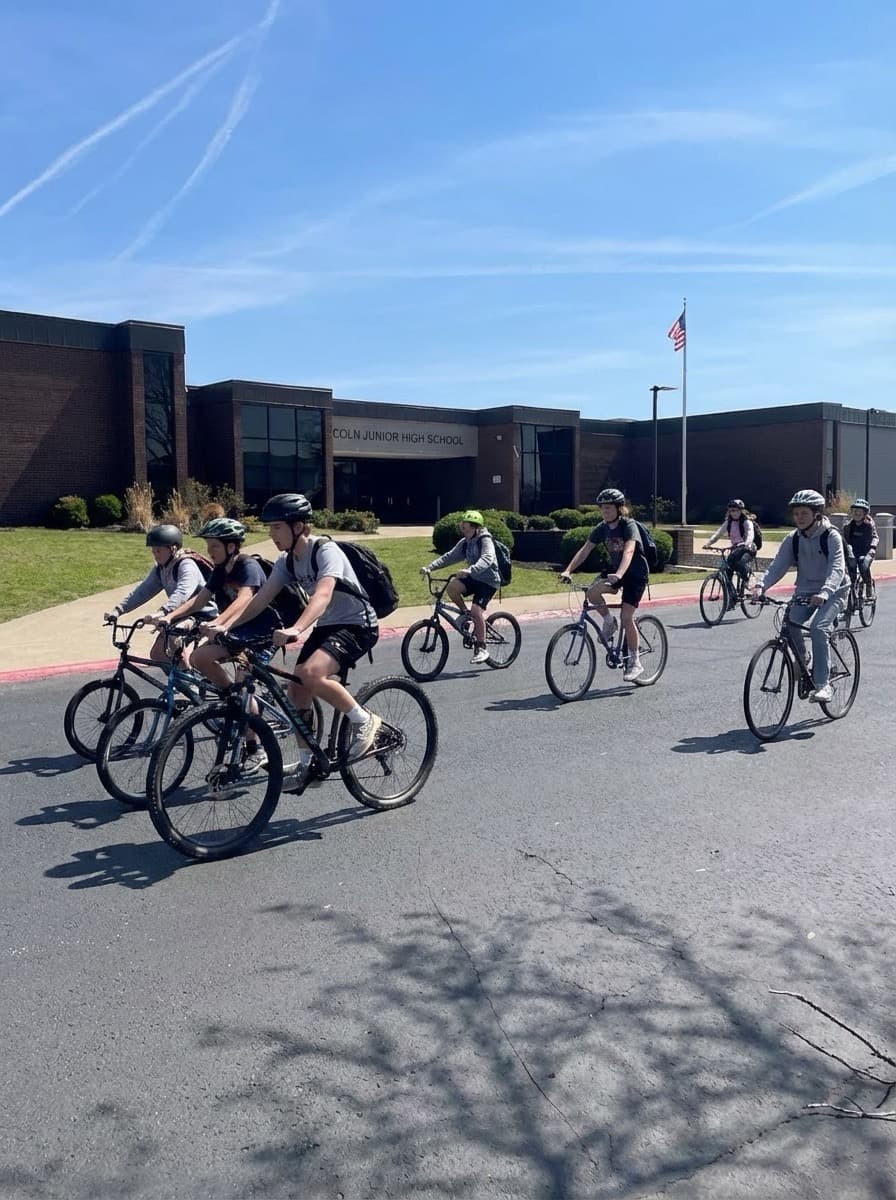
Define the purpose of the ride
Start training by explaining that a bike train is both transportation and community-building. It helps families arrive together, creates consistency for students, and makes active travel feel safer and more welcoming.
New leaders often focus first on the route itself. That matters, but it is just as important to understand the experience families should have: predictable timing, clear expectations, and calm leadership.
Teach the core ride-day roles
Every leader should know who rides in front, who watches the back, and who manages complex crossings or regroup points. Even if one person wears multiple hats on a small route, naming the roles helps your team plan responsibly.
Orientation should cover what each role notices, how leaders communicate during the ride, and what decisions should be made in advance rather than improvised at an intersection.
- Lead rider: sets pace, calls stops, and keeps the route moving.
- Sweep rider: stays with the last student and reports issues forward.
- Corner marshal or crossing support: helps the group move safely through key conflict points.
Connect the route map to weekly operations
The map is not just a planning artifact. It is the document leaders use to remember stop order, meet times, and route notes. During orientation, show new leaders how the published map supports real decisions on ride day.
Emphasize that the map should be updated whenever the team learns something that affects families. A stale route erodes trust, while a current route helps substitute leaders and new volunteers step in smoothly.
End with simple practice scenarios
Orientation sticks better when people apply it. Walk through scenarios such as a late rider arriving at a stop, a blocked crossing, or a volunteer needing to cover the route for the first time.
These discussions help new leaders understand that the route map, team roles, and family communication all support one another. Good operations come from that combination, not from one perfect document.