Training module
Family communication
How to introduce the route, what to put in your first email, and reminders that keep participation steady through the year.
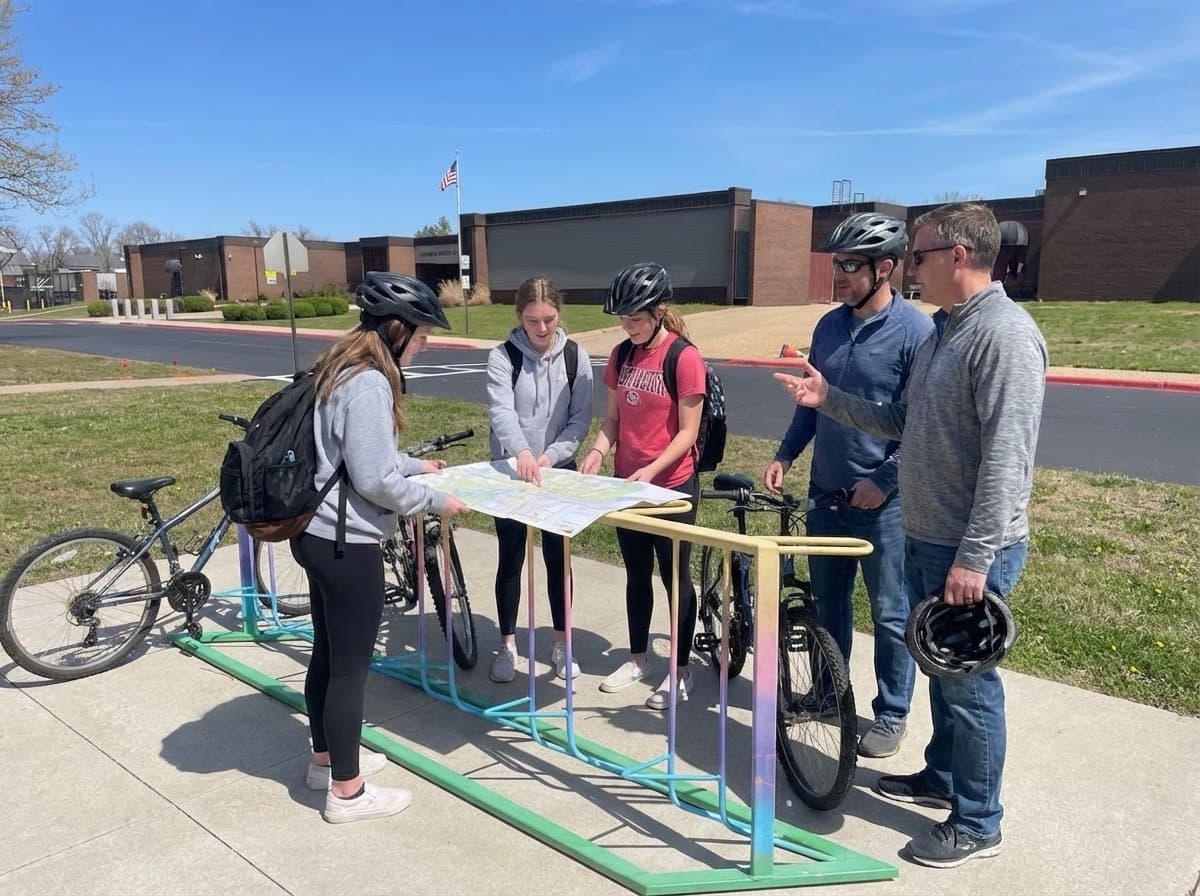
Explain the route in plain language
Families need to know whether the route is right for them without decoding organizer jargon. Your first message should explain where the ride starts, who it is for, how long it usually takes, and whether riders need an adult with them.
Keep the published map link at the center of your communication. Rather than pasting long directions into every message, use the message to frame the ride and let the map provide the location details.
Make the first announcement complete
A good launch message answers the practical questions that keep parents from joining late or guessing. Include the start date, expected arrival window, any required equipment, and how weather updates will be shared.
If your route is still evolving, say that clearly. Families are more comfortable with a new program when they feel informed rather than surprised.
- Include the route link and one-sentence description.
- State the first ride date and expected timing.
- Explain who can join and whether an adult must accompany riders.
- Tell families where updates or cancellations will be posted.
Use reminders to build routine
Participation grows when reminders are short, predictable, and consistent. A weekly reminder the evening before or early in the morning often works better than irregular bursts of communication.
Your reminders do not need to repeat every stop detail. Instead, link back to the map and call out anything new: a moved pickup point, a weather change, or a volunteer request.
Close the loop after each ride
Post-ride communication can be simple, but it is powerful. Thank families, share one success, and mention any route improvements you made based on what happened.
This helps families see that the route is actively maintained. It also invites useful feedback from people who are using the map in real conditions.