Safety topic
Rider readiness
Set clear expectations for skill level and behavior. Offer a practice session on a quiet weekend before school-morning rides.
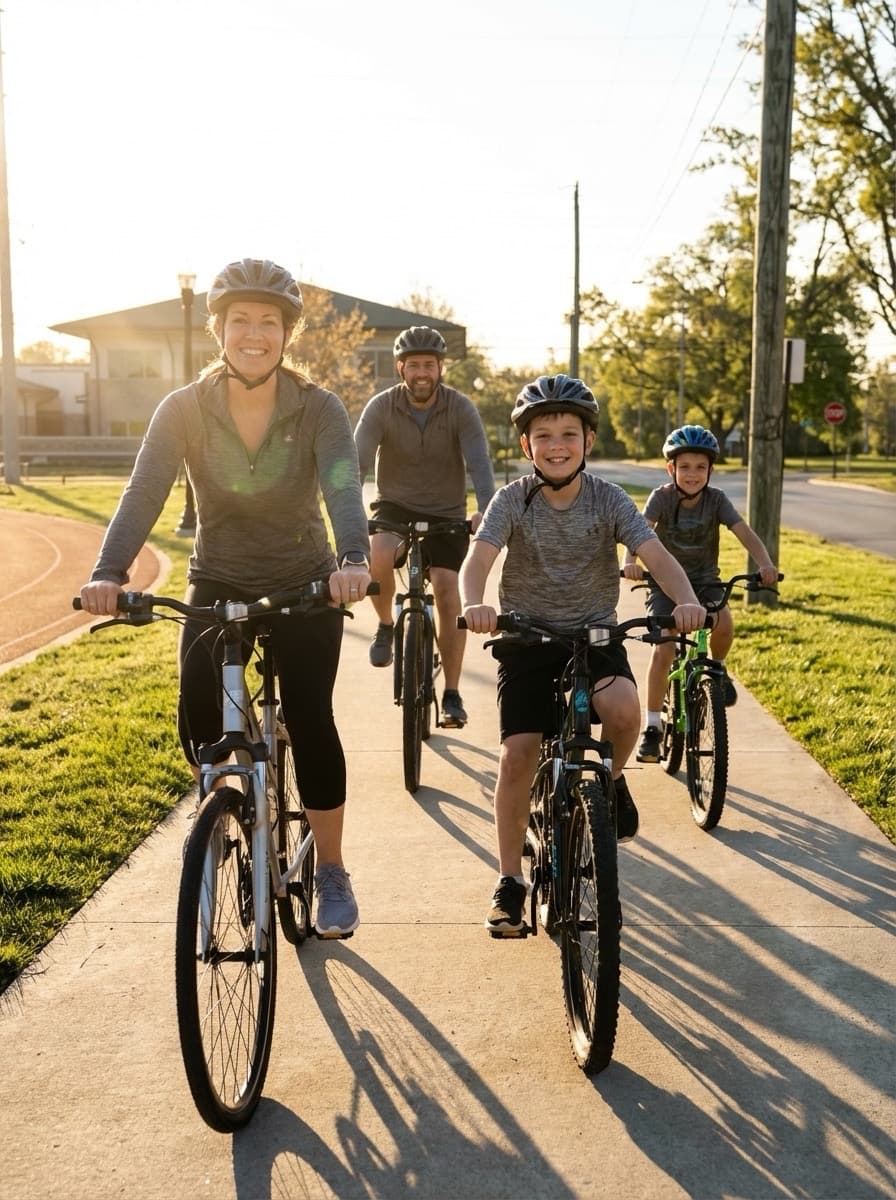
Define readiness before participation begins
Families need more than enthusiasm to judge whether a student is ready for a bike train. Explain the expected skill level, whether a guardian must accompany younger riders, and how riders should behave in a group.
Being explicit protects everyone. It helps families self-select appropriately and gives leaders a fair standard for coaching or pausing participation when needed.
Use practice rides to reduce guesswork
A calm weekend or after-school practice ride can reveal whether a rider can start, stop, hold a line, and follow leader instructions. That is much easier to assess there than during a busy school arrival window.
Practice sessions are also valuable for adults. They show families what the route feels like and give leaders a chance to explain group expectations face-to-face.
Reinforce behavior that keeps the group predictable
Rider readiness is not only about bike handling. It also includes listening for instructions, respecting regroup points, and understanding that the group rides together rather than racing ahead.
Consistency from leaders matters here. The more predictable the expectations, the easier it is for students to succeed and for adults to intervene early when needed.
- Riders can stop safely on command.
- Riders understand they stay with the group.
- Families know when adult accompaniment is required.