Safety topic
Helmets and bikes
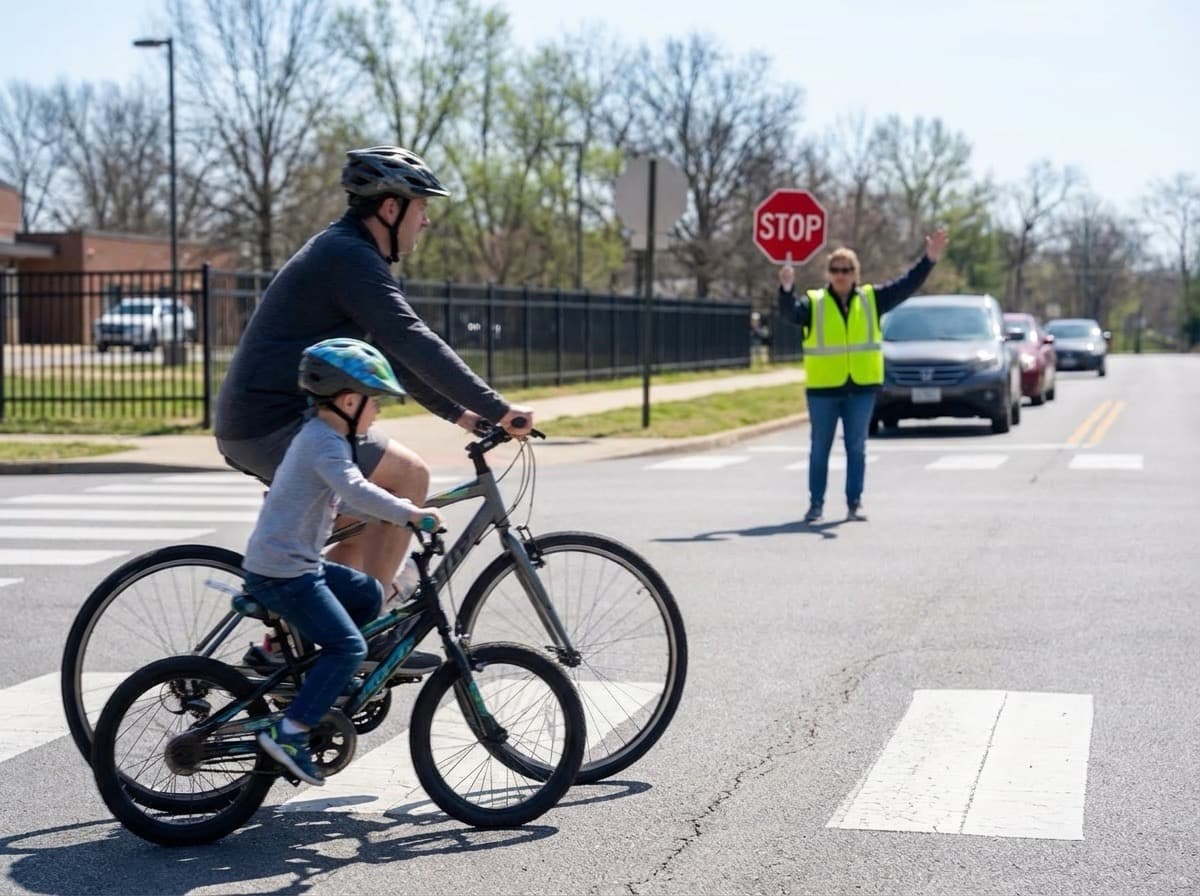
Require properly fitted helmets and road-ready bikes. Do a quick safety check day before your first big ride.
Set equipment expectations before the first ride
Safety checks work best when families know what to expect before arrival. Communicate ahead of time that every rider should bring a properly fitted helmet and a bicycle that is ready for regular neighborhood riding.
Clear expectations reduce awkward last-minute conversations and help families solve issues before the group is assembled at the first stop.
Use a quick, repeatable bike check
You do not need a full mechanic's inspection at every stop, but leaders should be comfortable looking for the basics: tires with air, working brakes, a stable seat, and a chain that appears ready to ride.
A short, consistent check is better than a long checklist nobody completes. The goal is to catch obvious problems before the group rolls out into traffic.
- Helmet sits level and fastens securely.
- Tires have enough air for safe handling.
- Brakes engage before the lever touches the handlebar.
- The bike is free of obvious mechanical issues.
Normalize fixes and backup plans
Some equipment problems can be solved on the spot and some cannot. Decide in advance what your leaders can reasonably address and when a rider should sit out for the day.
Consistency matters here. Families are more likely to trust expectations that are applied the same way to everyone.